
Digital marketing has become one of the most important strategies for businesses seeking to connect with customers in the modern world. As internet usage continues to grow, organisations of all sizes are using digital channels to promote their products and services. Unlike traditional marketing, digital marketing allows businesses to reach a global audience, interact with customers in real time, and measure the effectiveness of their campaigns with remarkable accuracy.
The rise of smartphones, social media platforms, and search engines has transformed the way consumers gather information and make purchasing decisions. Today, customers often research products online before making a purchase. This shift in consumer behaviour has made digital marketing an essential component of every successful business strategy.
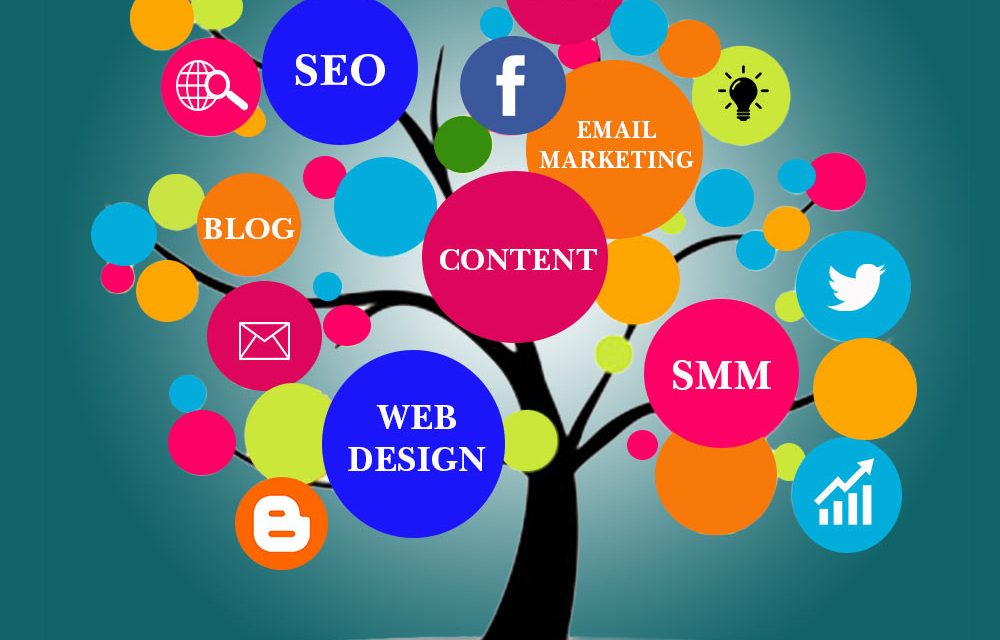
Digital marketing encompasses a variety of online techniques, including search engine optimisation, content marketing, social media marketing, email marketing, and paid advertising. These methods work together to increase brand visibility, generate leads, and drive sales. As competition intensifies across industries, businesses that embrace digital marketing gain a significant advantage in attracting and retaining customers.
The Importance of Digital Marketing
The importance of digital marketing lies in its ability to connect businesses with their target audience efficiently and cost-effectively. Traditional advertising methods such as television, radio, and print media often require substantial budgets and may not guarantee precise audience targeting. Digital marketing, on the other hand, enables companies to focus their efforts on specific demographics, interests, and behaviours.
One of the key benefits of digital marketing is its accessibility. Small businesses can compete with larger organizations by leveraging online platforms and creating valuable content. Through strategic campaigns, companies can establish a strong online presence and build brand awareness without investing enormous financial resources.
Another important aspect is customer engagement. Digital platforms allow businesses to communicate directly with their audience through comments, messages, and interactive content. This two-way communication helps build trust and strengthen relationships with customers. By understanding customer preferences and feedback, companies can improve their products and services to better meet market demands.
Furthermore, digital marketing provides measurable results. Businesses can track website traffic, conversion rates, customer engagement, and return on investment through analytical tools. This data-driven approach enables marketers to refine their strategies and maximize performance.
Major Components of Digital Marketing
Search Engine Optimization (SEO)
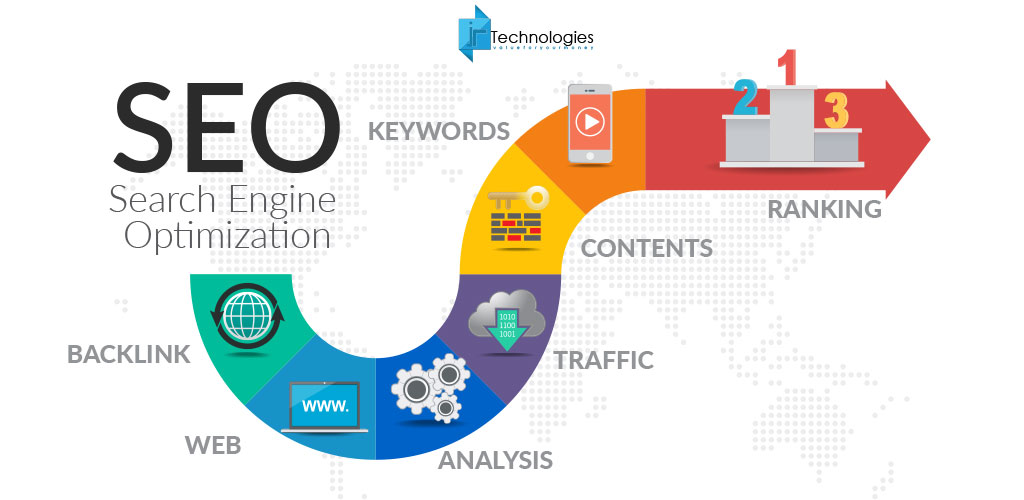
Search Engine Optimization is the process of improving a website’s visibility on search engines such as Google. When users search for information, products, or services, websites that appear on the first page of search results are more likely to receive traffic. SEO involves optimising website content, improving technical performance, and building quality back links to achieve higher rankings.
Effective SEO helps businesses attract organic traffic, which refers to visitors who find a website naturally through search results. Since organic traffic is often highly targeted, it can lead to increased conversions and long-term growth. SEO remains one of the most valuable digital marketing strategies because it provides sustainable results over time.
Content Marketing
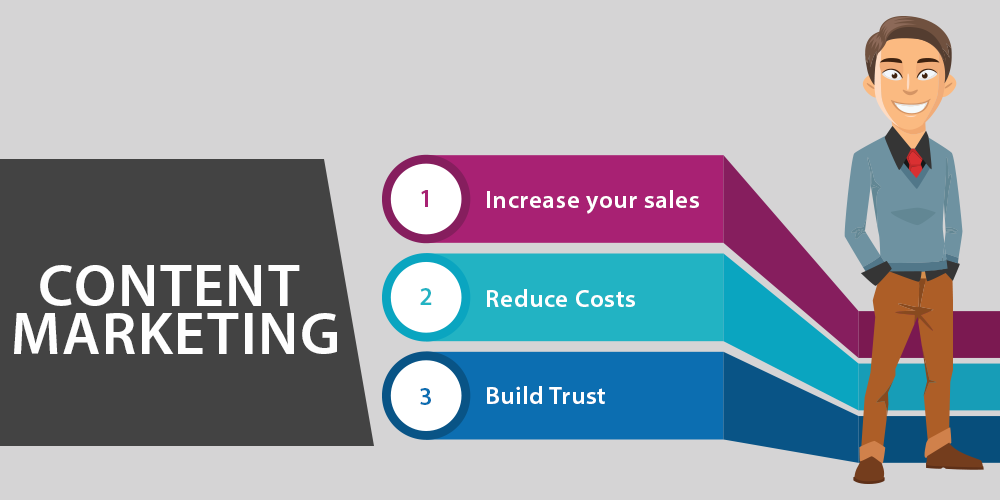
Content marketing focuses on creating and distributing valuable, relevant, and engaging content to attract and retain a target audience. This content may include blog posts, articles, videos, info-graphics, podcasts, and eBooks. The primary objective is to provide useful information that addresses customer needs and establishes the brand as an industry authority.
High-quality content helps businesses build credibility and trust. It also supports other digital marketing efforts, including SEO and social media marketing. By consistently delivering informative and engaging content, organizations can nurture customer relationships and encourage long-term loyalty.
Social Media Marketing
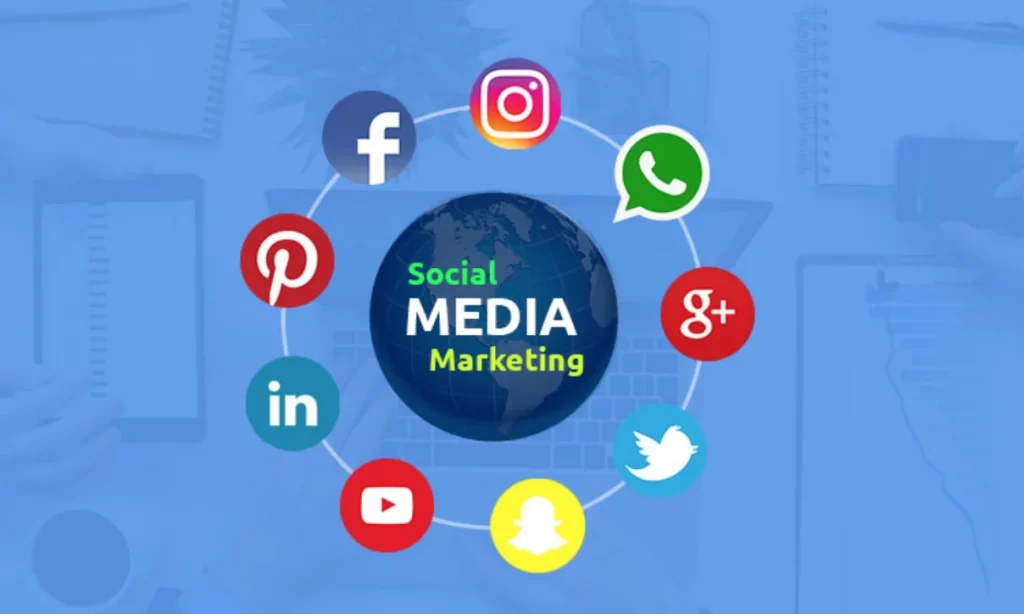
Social media marketing involves using platforms such as Facebook, Instagram, LinkedIn, Ticktock, and X to connect with audiences and promote products or services. These platforms offer businesses an opportunity to reach millions of users while fostering direct interaction and engagement.
A successful social media strategy includes creating compelling content, maintaining consistent communication, and responding to customer inquiries. Businesses can also use social media advertising to target specific audiences based on demographics, interests, and online behaviour. Social media marketing plays a critical role in building brand awareness and enhancing customer relationships.
Email Marketing
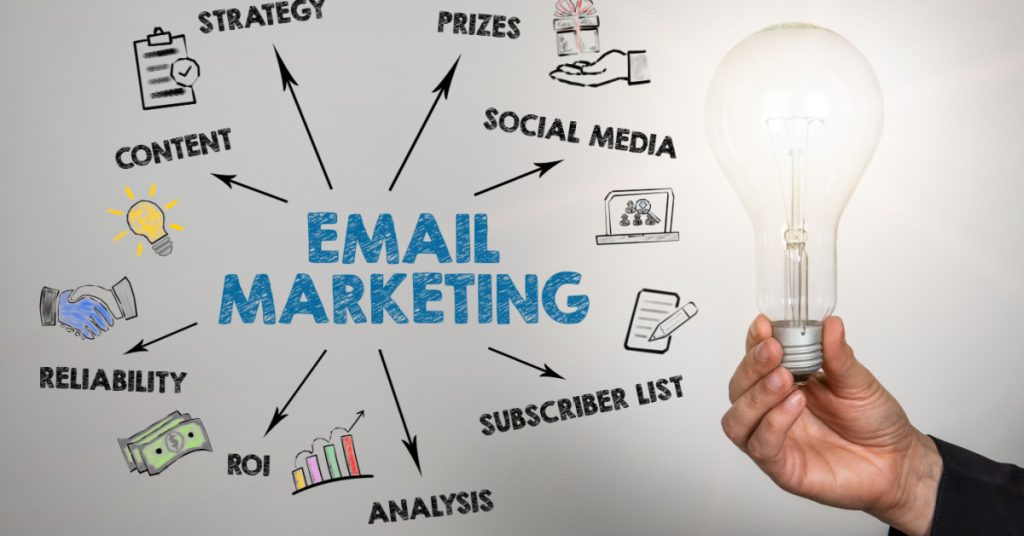
Email marketing remains one of the most effective digital marketing techniques for nurturing leads and maintaining customer relationships. Businesses use email campaigns to share updates, promotional offers, educational content, and personalised recommendations.
Personalization is a significant factor in successful email marketing. By segmenting audiences and tailoring messages to individual preferences, businesses can increase engagement and conversion rates. Email marketing is particularly valuable because it allows organizations to communicate directly with customers in a personalized and measurable manner.
Pay-Per-Click Advertising (PPC)
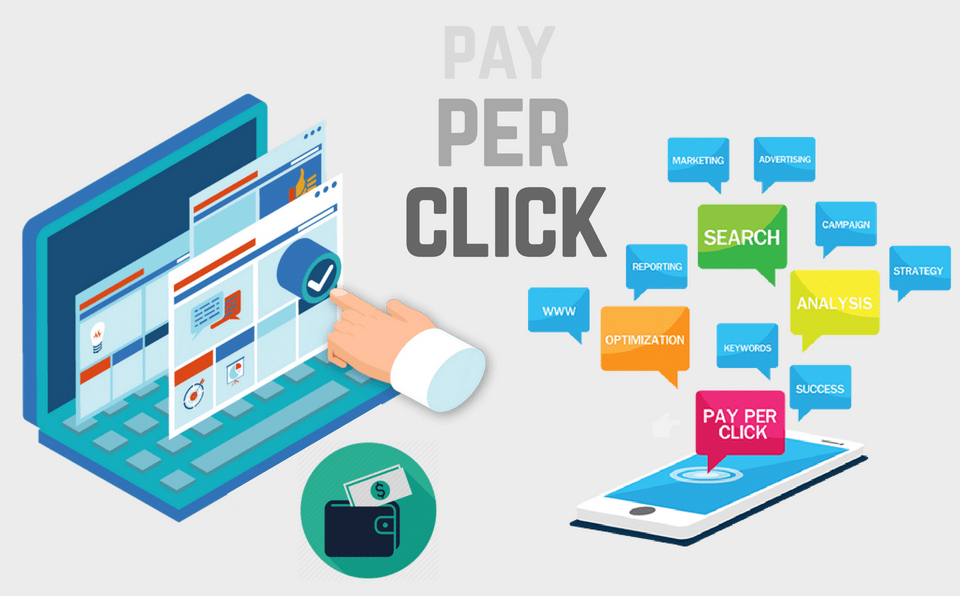
Pay-Per-Click advertising is a model in which advertisers pay a fee each time a user clicks on their advertisement. Popular PPC platforms include Google Ads and social media advertising networks. PPC campaigns enable businesses to appear prominently in search results and on relevant websites.
One of the major advantages of PPC advertising is its ability to generate immediate visibility and traffic. Unlike SEO, which may take time to produce results, PPC campaigns can quickly attract potential customers. When managed effectively, PPC advertising can deliver a strong return on investment and support business growth.
Challenges and Future of Digital Marketing
Despite its many benefits, digital marketing presents several challenges. The online marketplace is highly competitive, making it difficult for businesses to stand out. Constant changes in search engine algorithms, social media trends, and consumer behavior require marketers to remain adaptable and informed.
Data privacy and security concerns have also become increasingly important. Consumers expect businesses to protect their personal information and use data responsibly. Organisations must comply with regulations and maintain transparency to build customer trust.
The future of digital marketing is closely linked to technological innovation. Artificial intelligence, machine learning, automation, and data analytics are transforming the way businesses interact with customers. Personalised experiences, voice search optimisation, and immersive technologies such as augmented reality are expected to shape the next generation of marketing strategies.